
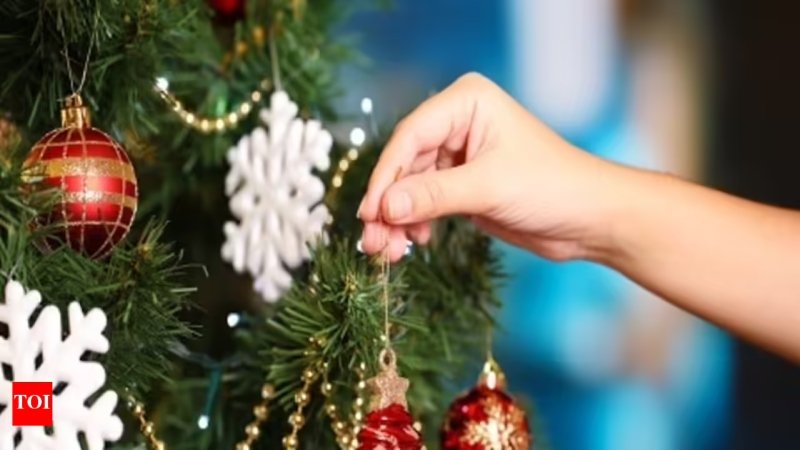
As holiday festivities approach, one of the central features of any celebration is the Christmas tree. A symbol of cheer and tradition, the tree brings a sense of warmth and sparkle to homes. However, real trees can pose challenges, ranging from shedding needles to potential allergies, which is why more people are turning to artificial alternatives. In the search for that perfect tree that can be reused year after year, this guide will help you make an informed decision. Below, we cover the full spectrum of artificial Christmas tree considerations.
Balancing Quality With Budget: Finding the Best Value Artificial Christmas Tree
While seeking a quality artificial Christmas tree, it’s vital to balance your aesthetic preferences with your budget. It can be tempting to opt for the least expensive option, but a tree’s price often reflects its quality and durability. Investing in a slightly higher-priced tree can offer dividends in terms of longevity, saving money in the long run.
However, this does not mean that an affordable tree is automatically of poor quality. Many mid-range trees offer a balanced blend of realistic appearance, quality materials, and user-friendly design. It’s about finding the tree that meets your standards without breaking the bank. Remember, a well-chosen tree is one that you’ll love in your home year after year.
Some retailers, like those offering a top artificial Christmas tree, provide exceptional value through holiday sales or exclusive online deals. Seasonal discounts and free shipping offers can make a higher-end tree more accessible. Be sure to also consider the cost of additional decorations and lighting if they’re not included.
How to Select the Right Size and Shape for Your Space
The size and shape of the artificial Christmas tree you choose should complement the space where you plan to display it. Measure the height of your ceiling and consider the furniture arrangement to determine the ideal tree height. Keep in mind that you’ll need to leave ample space for a tree topper and to ensure the tree doesn’t appear crammed into the room.
When it comes to shape, take into account the footprint of the tree. Traditional full trees may look grand but require more floor space, whereas slim or pencil trees offer a more modest profile that suits smaller spaces or tight corners. Moreover, some people might prefer a half or corner tree if they have limited space or want the tree to sit flush against the wall.
The layout and flow of the room will also play a part in your decision. For open floor plans, a tree with a 360-degree design will look stunning from all angles. Conversely, in a more traditional setting where only one side of the tree is visible, a tree with a flatter back could be more practical and equally attractive.
Comparing Materials and Needle Types for Realistic Appeal
The realism of an artificial Christmas tree largely depends on the quality of the materials and types of needles used. PVC (Polyvinyl Chloride) needles are common, offering a traditional look with flat, thin strips cut to resemble tree needles. Though these are economically priced, they may not be as realistic as other options.
PE (Polyethylene) needles, on the other hand, are molded to look and feel like true evergreen needles. Trees that use PE have a more authentic appearance, with full-bodied branches and natural color variations. This method can create stunningly lifelike trees that closely mimic the real thing and often justify a higher price point.
Assessing Ease of Assembly and Storage Options
The thought of assembling a Christmas tree can be daunting, but many modern artificial trees are designed with ease in mind. Features such as hinged branches that fall into place and sections that simply stack together minimize the time and effort required to set up your tree. Verify the assembly process before purchase to ensure a hassle-free experience.
Pre-lit trees can further simplify assembly, as they eliminate the need to untangle and wrap strands of lights around the branches. However, ensure that the lights are evenly distributed and the wiring is well-integrated to prevent it from detracting from the tree’s overall appearance. Additionally, check the light type—whether it’s LED or incandescent—and the number of light settings, as these factors can affect the tree’s ambiance.
Altogether, the journey to finding the ideal artificial Christmas tree should be as joyful as the holiday season itself. By considering the type, size, material, ease of assembly, and cost in relation to quality, you can select a tree that enhances your home’s festive atmosphere for many years. Visit World Life Magazine for more details.