
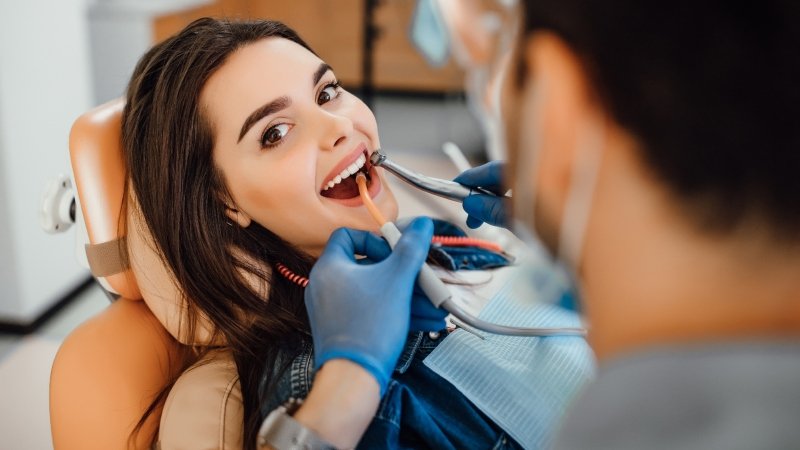
For many patients with special needs, visiting the dentist can be a daunting experience. Sensory sensitivities, anxiety, difficulty communicating, or certain medical conditions often make routine dental visits overwhelming. Unfortunately, this fear and discomfort can lead to postponed check-ups or untreated Oral Health problems. Sleep dentistry—also known as sedation dentistry—offers a compassionate, effective solution by creating a calm environment where necessary treatments can be performed safely and comfortably.
Sleep dentistry goes beyond simply easing nerves. It provides an essential pathway for individuals who may otherwise struggle to receive proper dental care. Whether it’s children with autism, adults with developmental disabilities, or patients with complex medical conditions, sleep dentistry ensures that they can access vital dental treatments without distress.
Reducing Fear and Anxiety
One of the greatest barriers for special needs patients is fear. Even minor dental procedures can trigger heightened stress responses. Bright lights, unfamiliar tools, or the sound of dental equipment can quickly escalate into overwhelming anxiety. Sedation creates a relaxed state that reduces awareness of the procedure and removes the sensory overload that often leads to distress.
For families, this means fewer struggles in the dental chair. Instead of a difficult experience, dental visits can become more manageable, restoring trust in the process and making it possible to attend regular check-ups. In the long run, this approach not only reduces fear but also fosters consistency in care.
Supporting Better Oral Health Outcomes
Avoiding dental visits due to anxiety or sensory challenges can result in untreated cavities, gum disease, or more complex oral health problems. Left unchecked, these issues often lead to pain, infection, or difficulties with eating and speaking. Sleep dentistry allows patients to undergo multiple treatments in a single session—such as fillings, cleanings, or even extractions—without the emotional toll of repeated appointments.
This efficiency contributes to better oral health through the ease of sleep dentistry. By addressing several concerns at once under sedation, patients can leave the dental chair with healthier smiles and fewer long-term complications. Preventive care and timely treatment become more achievable, improving overall quality of life.
Tailored Care for Different Needs
Special needs patients often require an individualized approach. For some, mild sedation may be sufficient to alleviate stress during a routine cleaning. Others may benefit from deeper sedation for more extensive treatments. Dentists trained in sleep dentistry carefully assess each patient’s medical history, needs, and comfort level before recommending the safest and most effective option.
This tailored care ensures that patients receive exactly the level of support they need. Families can feel reassured that their loved one’s comfort and safety are prioritized while ensuring vital dental treatments are completed. Visit World Life Magazine for more information.
Making Dental Care Accessible for All
Accessibility is about more than just physical access to a clinic—it’s also about emotional and psychological access. Patients with special needs deserve the same standard of oral care as anyone else, but traditional dental environments may unintentionally exclude them. Sleep dentistry bridges this gap by breaking down the barriers of fear, overstimulation, and communication challenges.
For parents and caregivers, this means fewer postponed appointments and less worry about how their child or loved one will cope during dental procedures. Instead, dental care becomes a supportive and inclusive experience.
A Calmer Experience for Children
Children with special needs, in particular, benefit significantly from sleep dentistry. Dental anxiety can start early, and a single difficult appointment can create lasting fears. Sedation provides a gentle way to help children feel at ease while ensuring their developing teeth receive the care they need.
Importantly, children often require multiple procedures over time. By reducing stress during these visits, sleep dentistry helps prevent the buildup of negative associations with dental care. This calmer, more positive experience supports lifelong oral health habits.
Families navigating special needs dental care deserve compassionate solutions that prioritize comfort without compromising on health. Sleep dentistry offers just that: a pathway to reduced fear, more manageable appointments, and improved oral health outcomes for patients who need it most. It transforms what was once a stressful necessity into a supportive healthcare experience, opening doors to healthier smiles and happier lives.
For parents seeking extra reassurance, sleep dentistry can also help calm your child’s anxiety during dental visits, making treatment more approachable for the entire family.