
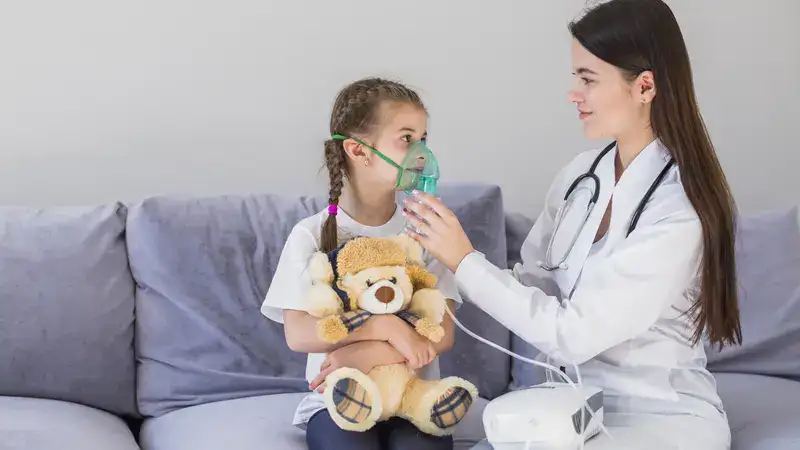
Pneumonia is one of the most common and serious respiratory infections affecting children across the world. This will happen when the lungs become inflated due to bacteria, viruses, or any other problem, which will lead to symptoms like cough, chest pain, rapid breathing, and fever. In young children, pneumonia will escalate very quickly if treatment is not properly done, which makes the timely care and management very critical. Parents will be playing a very central role in recognising the symptoms very early, and additionally, remaining in touch with the pediatrician consultant throughout the process will also be recommended to avoid any issues. With proper guidance, pneumonia can be effectively managed, and complications can be perfectly prevented.
Practical Tips for Managing Pneumonia in Children
Recognising the Symptoms Very Early
Recognition is the very first step in managing pneumonia, and common symptoms include a persistent cough, high fever, breathing difficulties, chest pain, and blue lips or fingertips with unusual tiredness. If the child shows any of these symptoms, consult a pediatrician immediately because early detection helps prevent the infection from getting worse.
Getting Appropriate Medical Attention Promptly
Pneumonia always requires professional diagnosis and treatment. A pediatrician will recommend tests like a chest X-ray, a blood test, and a culture to determine the exact cause.
Bacterial pneumonia will require antibiotic treatment, while viral pneumonia will need supportive care. Never indulge in self-medication because it can make the condition worse. Always stay in touch with the doctor at every step for proper treatment and recovery.
Following the Prescribed Medication Very Strictly
If antibiotics are prescribed, make sure the child completes the full course even if symptoms improve. Stopping treatment early can lead to the return of infection and contribute to antibiotic resistance. Give medication exactly as directed by the doctor regarding dosage and timing to avoid any complications.
Ensuring Proper Rest
Rest is critical for recovery because the body needs energy to fight infection. Encourage your child to rest in bed and avoid stressful activities. Adequate rest helps reduce fatigue and supports the immune system in healing effectively.
Keeping Your Children Hydrated
Fever, coughing, and rapid breathing can cause dehydration. Offer your child plenty of fluids like water, warm soup, diluted fruit juice, and ORS. Proper hydration helps loosen mucus in the lungs, eases coughing, and maintains energy levels during illness.
Maintaining a Comfortable Environment
A calm and comfortable environment supports recovery. Keep the room well-ventilated but warm, and reduce exposure to smoke and dust. Using a humidifier can help reduce congestion and improve breathing for better comfort.
Monitoring the Breathing and Symptoms
Children suffering from pneumonia may experience sudden breathing difficulty. Watch for warning signs like fast breathing, chest retraction, and blue lips. If any of these symptoms appear, seek emergency medical help immediately. Regular monitoring allows timely intervention if symptoms worsen.
Providing Nutritious Meals
A strong immune system is vital for recovery. Provide your child with a balanced diet rich in vitamins, minerals, and proteins. Include foods like fruits, vegetables, eggs, and whole grains. If the appetite is low, encourage small, frequent meals with soft foods that are easy to swallow and digest.
Managing Fever and Discomfort
High fever and chest pain can make children restless. Use pediatrician-approved fever-reducing medicine to control temperature. Cool compresses on the forehead and light clothing can also help reduce fever and make the child more comfortable.
Practising Good Hygiene to Prevent the Spread of Infection
Pneumonia-causing germs spread easily among family members. Encourage regular hand washing, covering the mouth while coughing, and using separate utensils and towels for the sick child. Disinfect commonly touched surfaces to reduce the risk of infection transmission.
Keeping Up with the Vaccination
Vaccination plays a crucial role in preventing pneumonia. Ensure that your child’s immunisations are up to date by consulting the paediatrician. This reduces the risk of developing pneumonia and helps maintain long-term health. If needed, consult top pediatric surgeons for specialized care and proper vaccination guidance.
Conclusion
In the case of specialist opinion, you can also focus on getting in touch with the best gastroenterologist paediatric so that things are very well sorted out and you will be able to make sure that you can overcome the frightening condition very easily. By working closely with the doctors and practising the above-mentioned tips, you will be able to safeguard the health of the children very well, speed up the recovery, and prevent the complications without any problem. Ultimately, awareness, proactive care, and an appropriate environment are the keys to managing pneumonia effectively in children.