
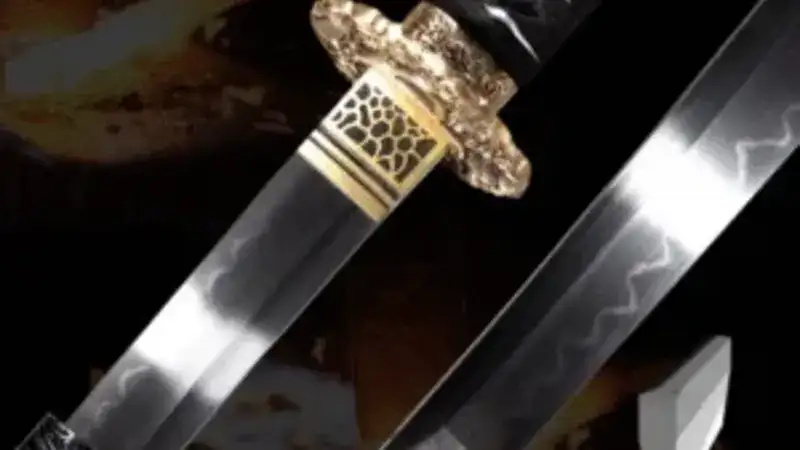
The Soul of the Katana
Every samurai sword draws its heart not just from a graceful curve or a paper-slicing edge but from the steel that smiths forge with fire and hammer. For over a thousand years, Japanese swordsmiths have taken raw iron and forged it into legends of the battlefield, proving their unmatched mastery of metalworking. The katana’s steel embodies centuries of skill, as ancient methods craft blades that fuse beauty with lethal power.
The Maker’s Devotion
To appreciate the sword, you have to feel the maker’s devotion in the steel. Each katana is the fruit of endless hours spent gathering ore, heating it with care, and folding it under precise temperature—again and again. Each fold removes impurities and evenly spreads carbon, turning rough iron into a glowing, clean mass. It is painstaking and poetic and is what separates a true katana from a factory knock-off.
A Hidden Chapter of History
Learning about samurai steel is like opening a hidden chapter of Japanese history. It shows how Tamahagane—made from iron-sand in small, ancient furnaces—gains its legendary toughness. It explains why master forgers spend whole lifetimes refining a single blade. This blend of raw material and ritual still speaks to martial artists and collectors, keeping the katana’s legend alive long after its last battle.
The Rise of Japanese Steel Mastery
Japanese steelmaking grew over centuries thanks to geography and a drive for beauty and quality. Early blacksmiths in Japan faced a tough mix of small iron ore deposits and the constant need for swords sharper than those imported from China. These limits forced them to invent new methods, recycling and refining every last speck of metal until it shone with strength and perfection.
The Tatara Furnace Revolution
During the Heian period, the tatara furnace became a game-changer for Japanese metalworkers. These huge clay kilns burned day and night for 72 hours, turning iron-rich sand, called satetsu, and charcoal into the steel later molded into the famous makoto katana. Master smiths tuned into faint changes in color, sound, and heat, mixing science and almost spiritual insight to coax the right metal from the flames.
Regional Styles and Traditions
The quality of iron ore varied from region to region, and that difference shaped local sword-making styles. Craftsmen in each province adapted to their materials, creating distinct schools that mastered every step—from smelting the ore to polishing the final blade. Knowledge passed from master to apprentice over decades, keeping old methods alive while small yet meaningful changes crept in over the years.
Tamahagane Steel: The Heart of Excellence
Tamahagane steel forms the soul of real Japanese swords, born in the time-honored tatara furnace that listens and breathes fire. Here, the ore and charcoal meet and dance, yielding steel that breathes in mild iron and exhales a sharp, chilling edge. The steel’s magic is its rich spectrum of carbon, tiered like color bands, offering the swordsmith a living artist’s palette.
The Art of Smelting
Forging Tamahagane is a craft where time and heat conspire. The furnace roars beyond 1,400 degrees Celsius, yet the master smelter wields control like a patient musician. A handful of iron sand, a handful of charcoal, the balance shifts, the air swells, and the fire’s voice brightens or darkens. Opening and closing vents, pushing in a fresh scoop, or lowering a sighing fan, each breath alters the steel’s DNA, and the smiths read the whisper of flame and the breath of smoke for secrets of the furnace.
Birth of the Steel
When the bloom finally cools, the smith’s hammer bites, spilling glowing pieces like buried stars. The fragments are no longer ore; they are destinies, each crystal telling a different story of carbon. The brightest veins, lustrous with carbides, are forged into the razor edge—this is the hagane. The gentle, more forgiving heart of steel becomes the shingane, cradled within. The soft iron, patient and strong, is drawn into the sword’s spine, the kawagane. This segregation of carbon gives the sword balance and explains why Steel Makes Samurai Swords So Legendary across centuries.
Patterns and the Hamon Line
The special qualities of Tamahagane steel come from its varied carbon content. Tiny, uneven pockets of carbon form the beautiful, flowing patterns we see in polished blades. These pockets aren’t mistakes; they’re signs of strength and liveliness. Because the carbon isn’t spread evenly, it also helps create the hamon, the wavy temper line that tells us a sword is truly Japanese. This line is a visible record of the complex, living structure hidden inside the steel.
Unique Steels for Unique Purpose
Shingane: The Balanced Core
On top of Tamahagane, Japanese swordsmiths used a range of steels, each shaped for its role in the final sword. Shingane, the medium-carbon steel chosen for the blade’s core, strikes a perfect middle ground. It’s hard enough to hold a sharp edge and soft enough to bend rather than snap when taking a hit. This balance keeps the blade strong and reliable.
Kawagane: The Flexible Spine
Kawagane, a low-carbon iron, became the spine and sides of the blade. Its softness grants toughness, letting the sword flex safely when side pressure hits. This bendy, forgiving edge lets the smith bend and hammer the blade into its elegant shape. Great masters of the forge layer and reheat kawagane with harder steels in precise strokes, fusing the metals into the harmonized structure we admire in the final form.
Hagane: The Razor Edge
Hagane is the peak of Japanese steel-making artistry—it’s ultra-high carbon steel that can be honed to breathtaking sharpness yet refuses to dull. This top-tier steel is challenging to form; the very carbon that gives it cutting power also makes it crack under heat. Because of this, only the most seasoned masters dared to put hagane into their finest swords.
Kobuse and Sanmai: Layered Perfection
Many legendary swords also used the kobuse or sanmai method, layering different steels in carefully chosen combinations. Using these techniques, a smith places the hardest steel at the cutting edge and forges softer, shock-absorbing layers to give the blade strength. The sword slices with unrivaled ease and endures the blows of battle—another reason why Steel Makes Samurai Swords So Legendary in the world of blades.
The Sacred Art of Forging
A Living Prayer
Forging a Japanese sword is more than shaping metal; it is a living prayer. The smith honors iron, fire, and spirit, keeping alive techniques honed over centuries. The journey starts with selecting Tamahagane. The smith watches for telltale signs—color, grain, and the way sparks dance when it strikes the stone. Only the finest pieces pass the test, ready for the rhythms of hammering and heat that will turn stone into a blade that sings.
Reading Fire and Steel
Heating and consolidating steel the right way requires exact temperature control. For hundreds of years, smiths have figured out the magic inside the furnace. They need no gauges—only the glow of the steel, the forming scale, and the hammer’s music reveal the truth. No book teaches these signs; smiths before us earned them through hard work.
Folding the Steel
Folding the steel over and over piles these lessons into layers. Instead of one chunk, the metal turns into many, many layers of fiber. Each fold is both a story and a decision, making the steel stronger and giving it a shimmering, wavy pattern. This process shows why Steel Makes Samurai Swords So Legendary, admired not only as weapons but as living works of art.
Conclusion: Why Steel Makes Samurai Swords So Legendary
Samurai swords are not just weapons; they are history, spirit, and artistry forged in steel. From Tamahagane’s birth in the tatara furnace to the master’s final hammer strike, every step proves why Steel Makes Samurai Swords So Legendary. This tradition continues to inspire collectors, martial artists, and historians worldwide, keeping alive the soul of the katana for generations to come.
If you want to read more articles, visit our blog.